



Choose flying splice tape according to your web material, operating speed, web tension, process temperature and splicing equipment. Share these conditions with your supplier so the tape can be matched to your application and evaluated under actual production conditions.
Flying Splice Tapes for Web Converting
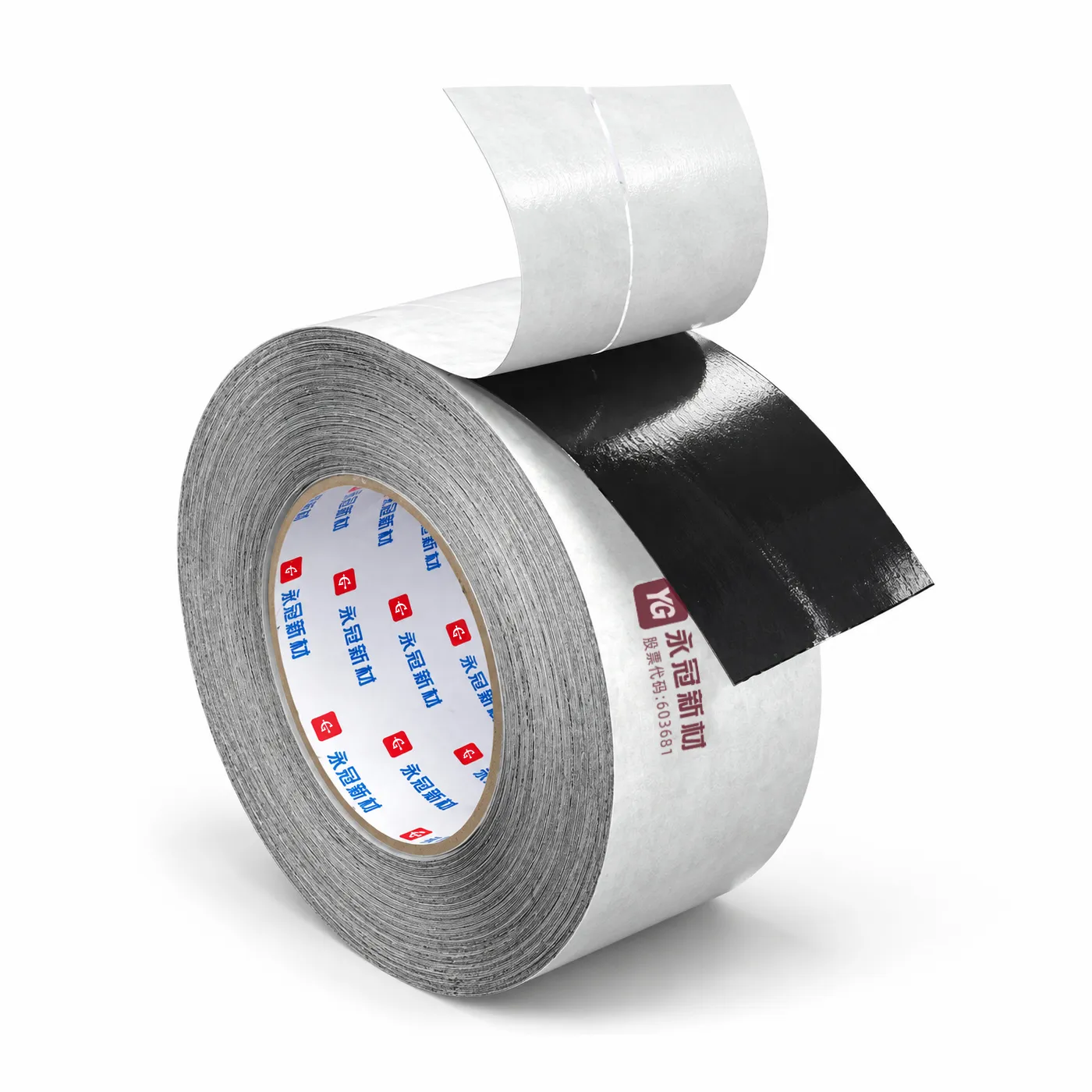
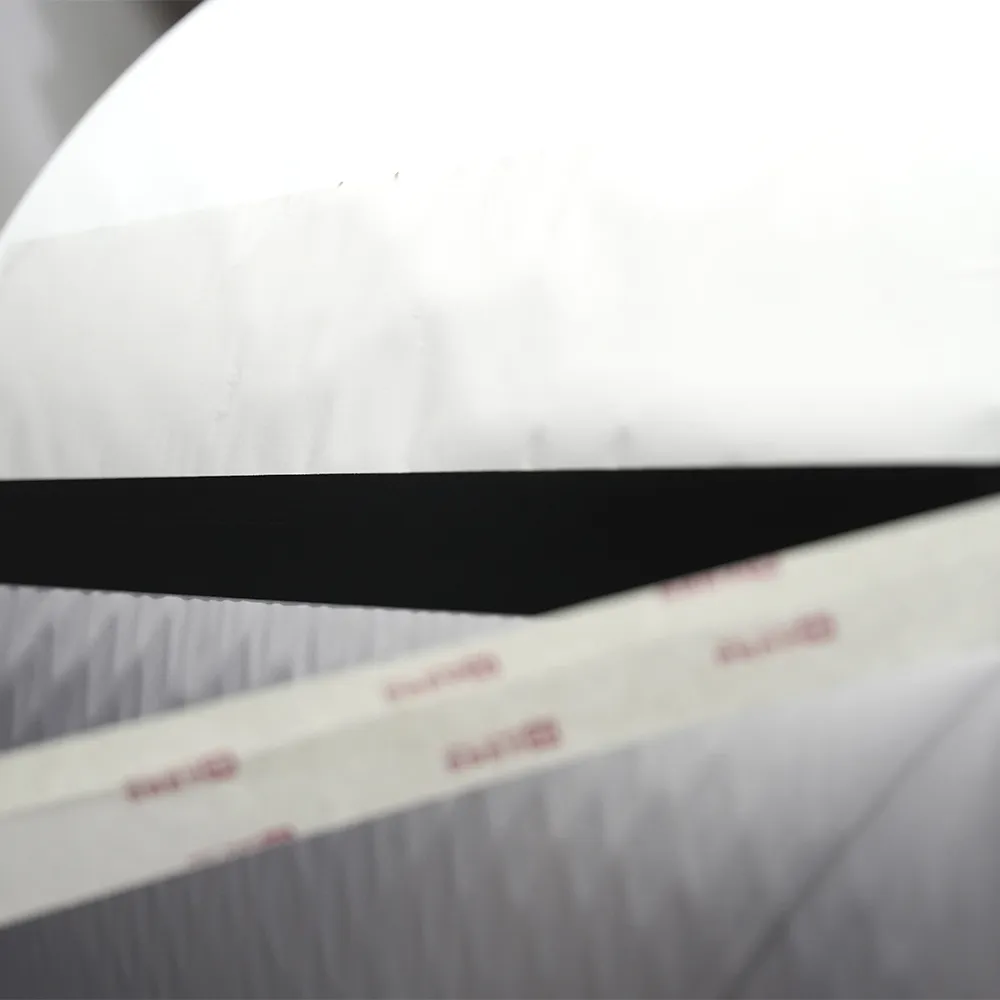
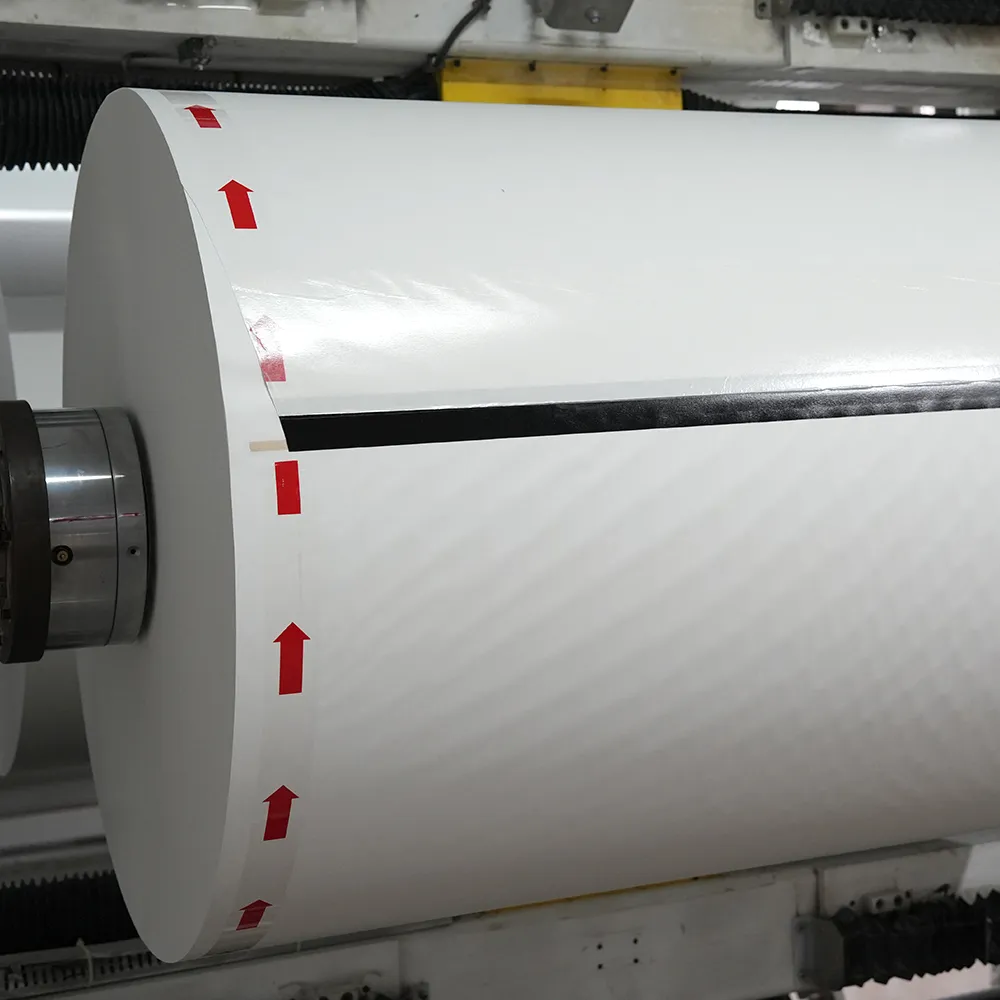
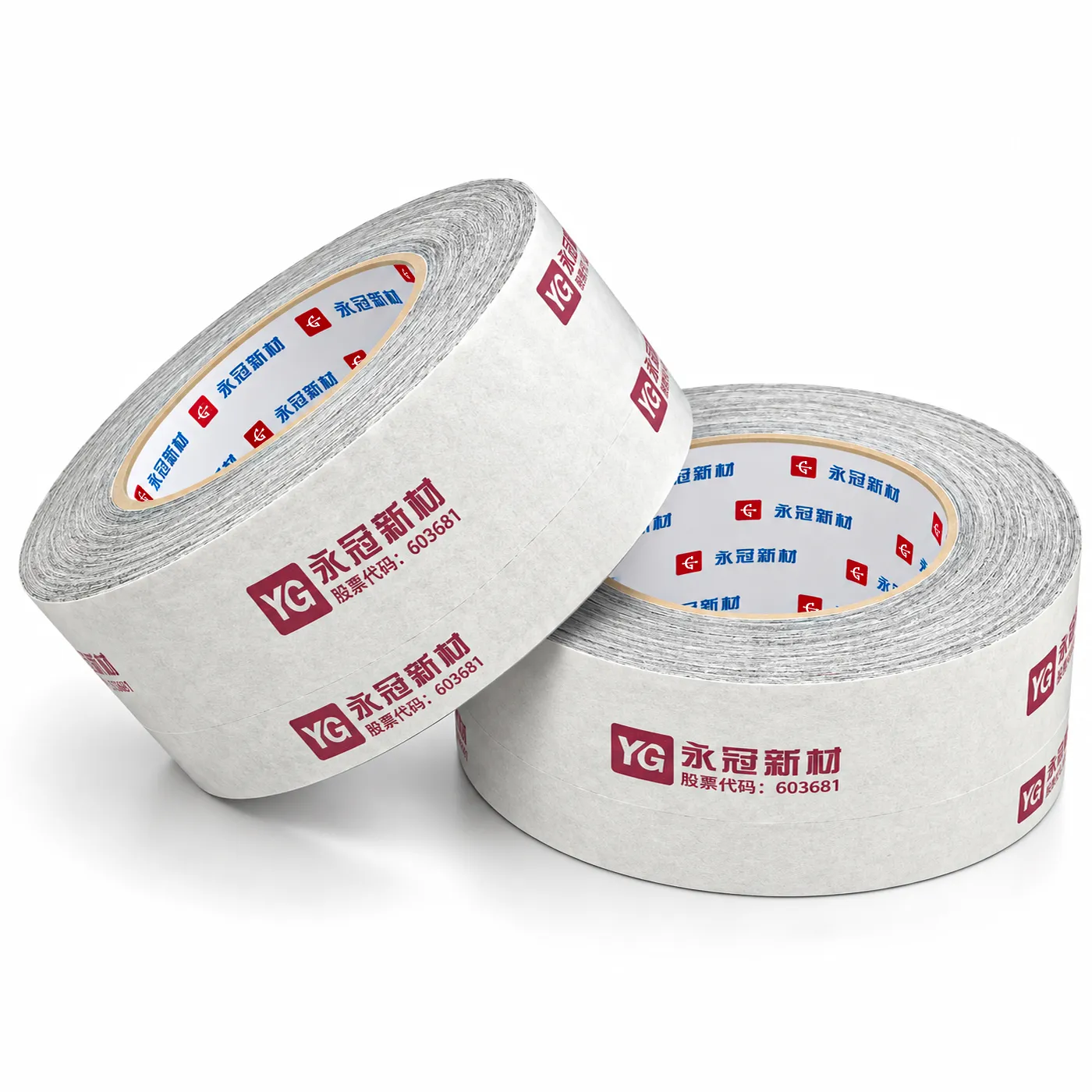
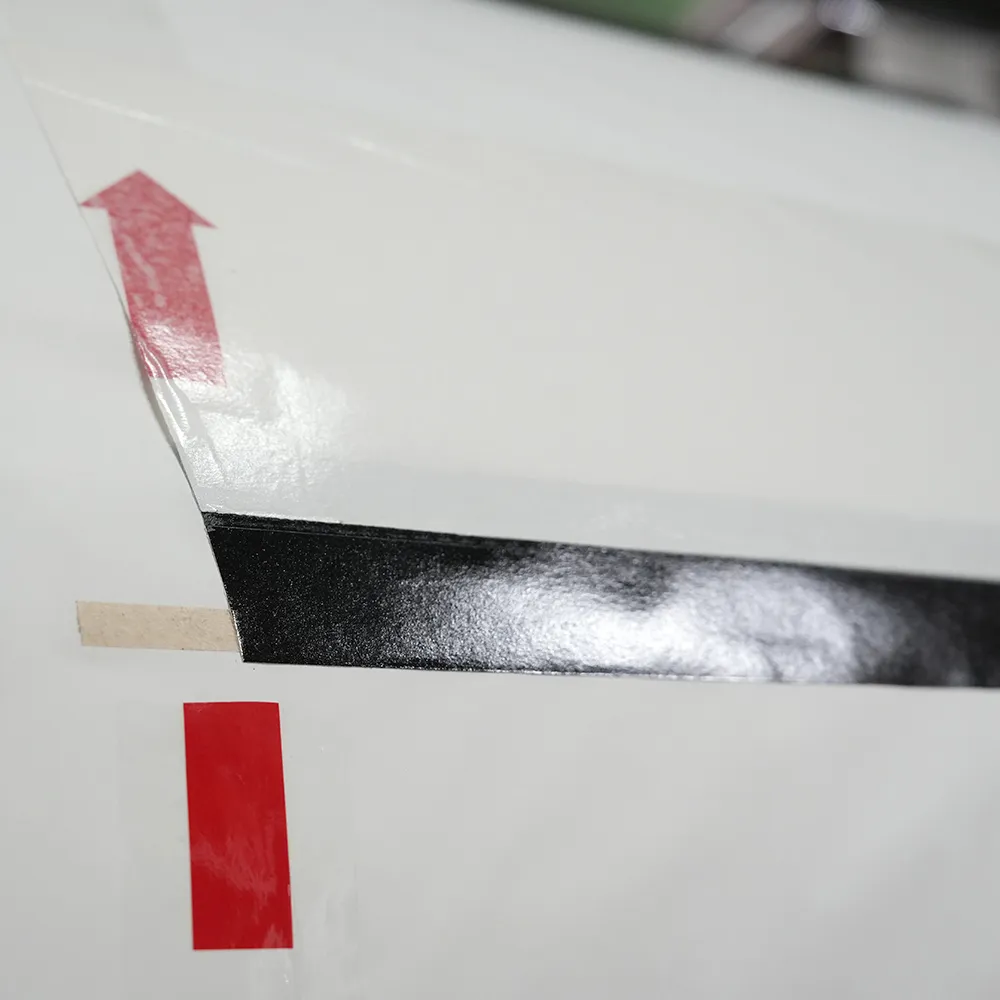
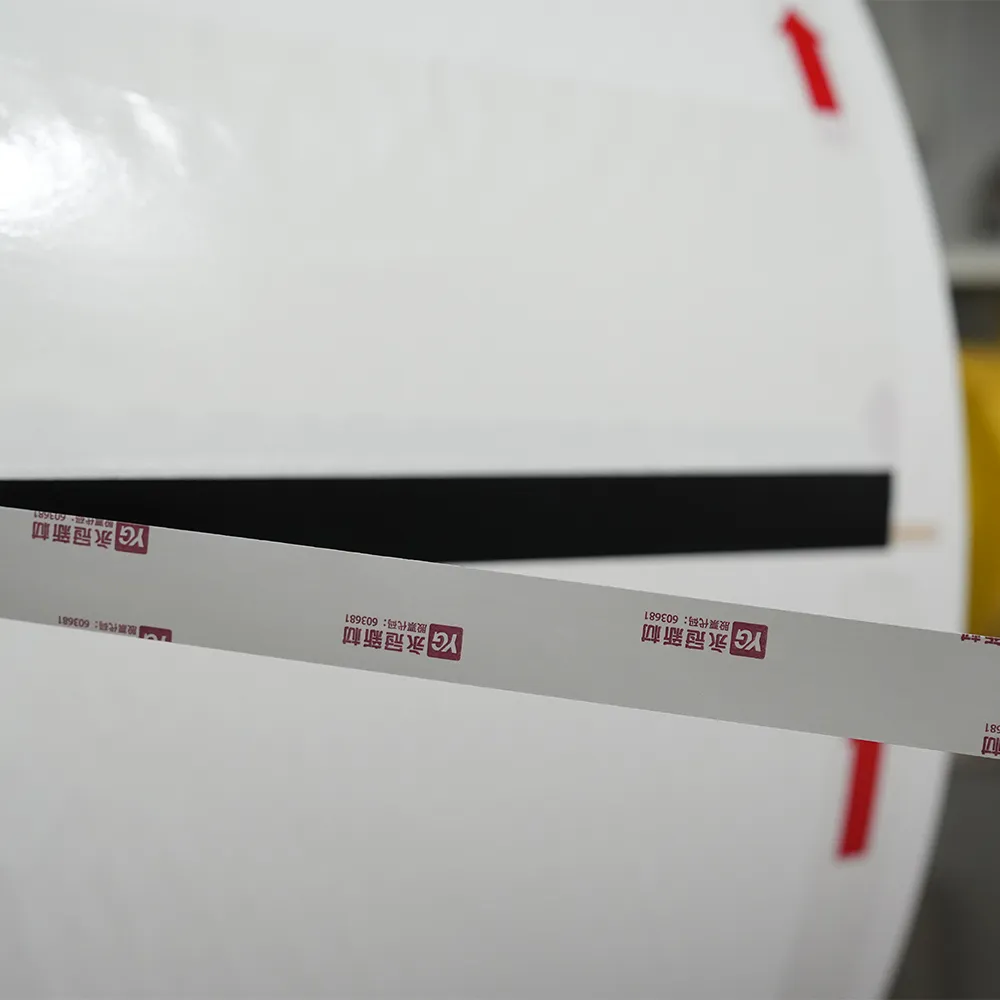
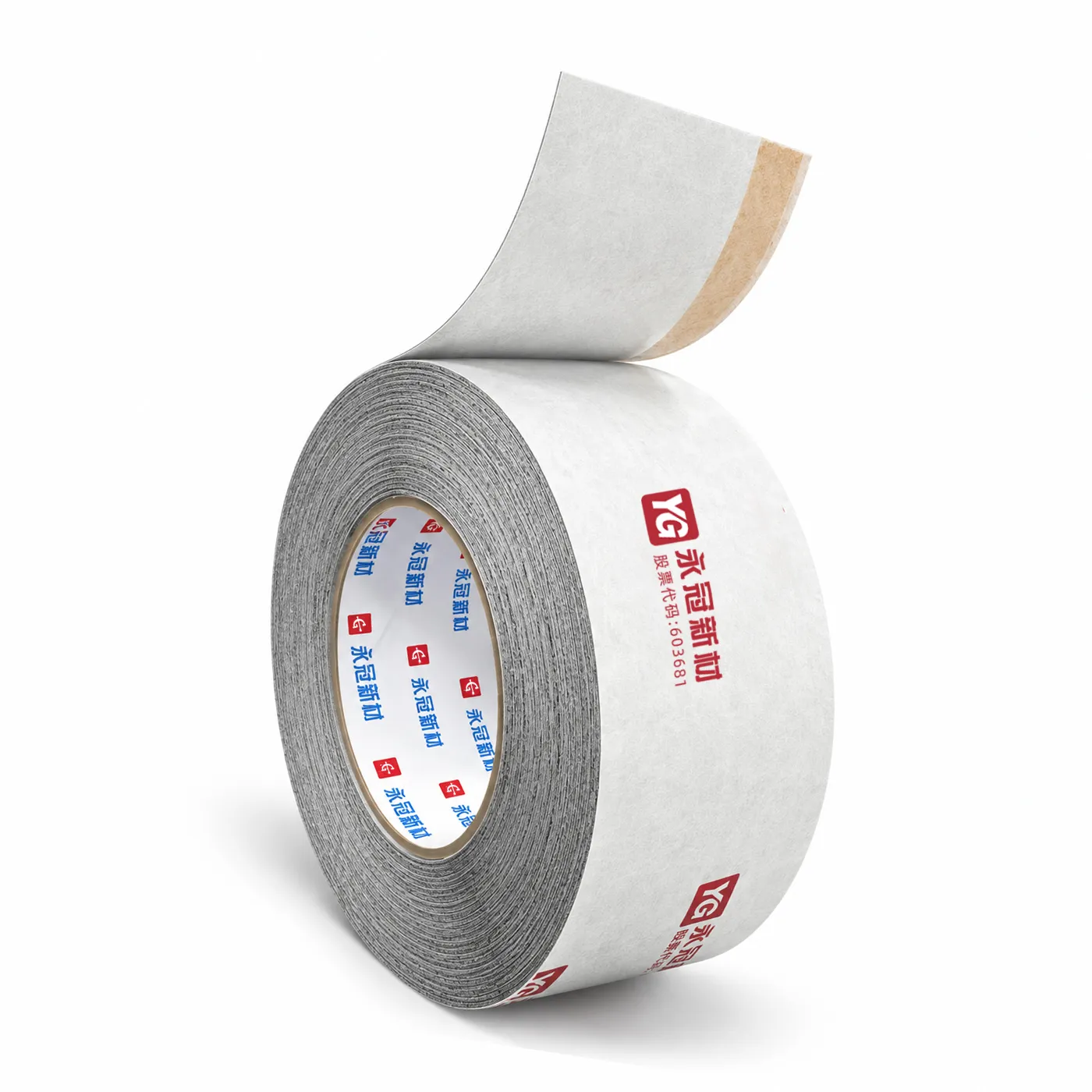
Flying Splice Tape is designed for high-speed web converting operations, enabling reliable roll changes while the production line continues running, reducing material waste, downtime, and production losses caused by splice failures.. Its multilayer construction combines high-strength paper backing, specialty paper, and high-performance adhesives, with a pre-cut paper release liner for easy handling.
Features:
- Reliable splicing at full speed
- Multilayer construction
- Easy and fast application
- Cost-effective
- Custom sizes
Applications:
- Printing
- Laminating
- Adhesive Coating
- Silicone Coating
- Coating Finishing
Product Material & Custom Options
| Product Code | Tape Width |
|---|---|
| P1038 | 38 mm |
| P1050 | 50 mm |
| P1063 | 63 mm |
| P1075 | 75 mm |
*Custom options are available, including:
Width, length, total thickness, color, printing, core size, packaging, and branding.
Why Choose Flying Splicing Tape?
A small component. A significant business impact.
On a continuous production line, a roll change can affect the value of an entire production run. Choosing the right flying splice tape is an investment in production performance.
- Protect your production investment
Each run carries costs in materials, labor and machine time. A successful splice helps protect the value already invested in the process. - Keep delivery commitments on track
More predictable roll changes support better production planning, helping teams manage tight schedules and customer deadlines. - Make better use of existing capacity
Maintaining production continuity helps you get more productive time from the equipment and resources you already have. - Look beyond the price per roll
The true value of splice tape lies in the total cost of each successful splice. Savings from avoiding a failed splice can outweigh the cost of the tape itself.
Support Continuous Production Across Applications
Flying splice tape supports roll changes across printing, laminating, and coating operations. By connecting an expiring roll to a new roll during production, it helps maintain the material flow that these continuous processes depend on. Select the right tape to match the substrate, splicing equipment, and operating conditions of each process.
| Industry / Process | How Flying Splice Tape Supports Production |
|---|---|
| Printing | Connects material rolls during press operation, helping keep the web feeding through the printing line and reduce interruptions caused by roll changes. |
| Laminating | Supports continuous feeding of the web being changed on roll-to-roll laminating lines, helping maintain production as individual material rolls run out. |
| Adhesive Coating | Enables substrate roll changes on adhesive coating lines, helping maintain the supply of base material through the coating process. |
| Silicone Coating | Supports substrate roll changes during silicone coating operations, helping keep the web moving through the production line. |
| Coating Finishing | Facilitates roll changes in continuous web coating and finishing operations, helping reduce interruptions to material feeding and processing. |
Flyer Splicing Tape FAQ
Standard double-sided tape should not be assumed suitable for flying splicing. Bonding two surfaces is only part of the requirement: the tape must also perform during a moving roll change. Confirm that the selected tape is intended for your substrate, splicing equipment and operating conditions.
Compatibility depends on the tape grade and the material surface. Paper coatings, film surface treatments and slip additives can affect adhesion. Provide a material sample or detailed substrate specification so your supplier can assess compatibility before recommending a flying splice tape.
There is no single operating speed that applies to every flying splice tape. Performance depends on the selected grade, substrate, equipment and process conditions. Ask for application-specific guidance and validate the tape at your intended production speed.
Select the width according to your splice design and equipment requirements. YG offers 38 mm, 50 mm, 63 mm and 75 mm widths under product codes P1038, P1050, P1063 and P1075. Customized sizes are also available.
Review tape-to-substrate compatibility, tape placement, adhesive contact and reel preparation. Also check that the incoming and running reels are correctly synchronized. Follow the tape supplier’s and equipment manufacturer’s instructions, and record the conditions under which the failure occurred.
Flying splice tape can be selected for coating and laminating operations, but suitability depends on the complete process. Identify the bonding surface, operating temperature and downstream conditions, including drying ovens, before selecting a grade. YG lists coating and laminating among its intended application areas.
Provide your web material, tape width, required roll length, normal and maximum operating speeds, process temperature, splicer model and estimated order quantity. Include your current tape specification and any problems you want to solve to help the supplier assess a suitable option.
Request a Flying Splicing Tape Sample or Quotation
Email*
Company*
Message*
Related Articles
 View More
Get Pricing & Product Details
Share your requirements, and our team will recommend a suitable specification and provide pricing within 1 business day.
Work Email*
Company*
Product Requirements*